

Precision in Practice: When Surgical Cutting Instruments Excel
Modern medical procedures rely heavily on surgical cutting instruments, which play a crucial role in ensuring the precision and success of operations.These specialized tools, meticulously designed to meet the unique demands of surgical procedures, ensure both the safety of the patient and the efficiency of the surgeon.

Each instrument, from scalpels to scissors, serves a distinct purpose and contributes to the intricate dance of precision that is required in the operating room.The performance and longevity of surgical cutting instruments depend critically on the material from which they are crafted.Stainless steel or titanium, due to their resistance to corrosion and ability to maintain a sharp edge, are favored as high-quality materials for crafting surgical cutting instruments.

This chapter explores how material selection ensures the durability and reliability of surgical cutting instruments.In surgical procedures, the sharpness of a blade is paramount, as it directly impacts both the precision and speed of cuts.This section discusses the engineering involved in maintaining blade sharpness, which includes the use of advanced coatings and heat treatments.

Comfortable design is essential in operating instruments, as it provides surgeons with maximum comfort and manipulation.This chapter delves into the design concepts that enhance ergonomical aspects, including the heaviness, equilibrium, and hold of the instruments.Thorough disinfection of operating instruments is necessary to avert infection and contamination during surgeries.
autoclave process, a common disinfection method, exposes instruments to supercritical steam to kill germs and other organisms.In contemporary medicine, operating instruments are vital instruments, and their standard and functionality have a direct effect on patient results.
- ISO 80369-7 Luer Connector Gauge with 6% Tape
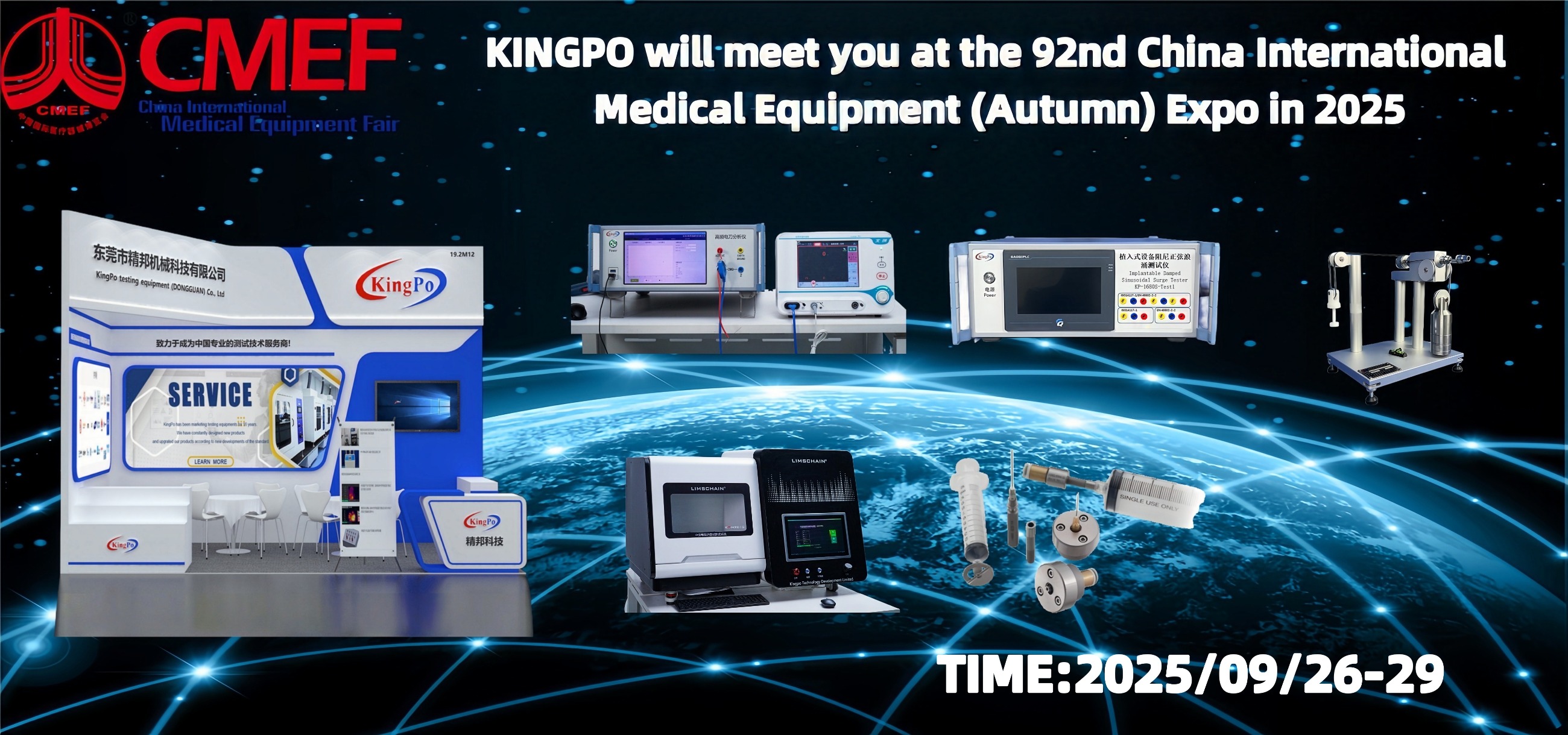
- KINGPO will meet you at the 92nd China International Medical Equipment (Autumn) Expo in 2025
- Is defibrillation protection testing done correctly?
- Fatal mistakes in IPX9K waterproof test: nozzle size and water temperature control, the truth you must know
- Neutral Electrode Temperature-rise Tester: Ensuring Safety in Electrosurgery
- What are the key differences between ISO 80369-7 and ISO 594?
- What are the implications for manufacturers transitioning from ISO 594 to ISO 80369-7?
- ISO 80369-7:2016 Connectors with 6% (Luer) taper for intravascular or hypodermic applications What is the ISO 80369-7 standard? What happened to ISO 594-1 and ISO 594-2?
- Saudi Arabian Customer Purchase ISO 80369-7 reference connector and ISO 80369-20 test apparatus from us
- ISO 80369-3 Test Equipment LIst